
While the internet is flooded with hello-world examples and simulations demonstrating the connection and message exchange between AWS-IoT Devices and AWS-IoT-Core using various programming languages like Python, C, C++, and Java, some of us beginners, students, or enthusiasts find true satisfaction in delving into the world of connected devices through hands-on interactions with physical components. The real excitement lies in experiencing the tangible effects firsthand, rather than merely observing basic hello-world messages on a computer screen.
Demo Video #
How It Works #
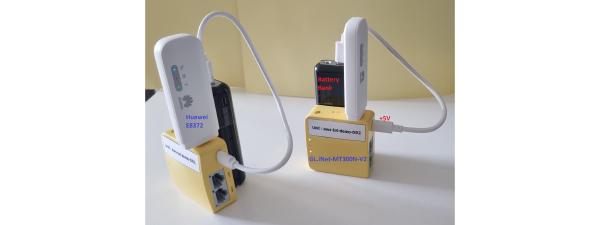
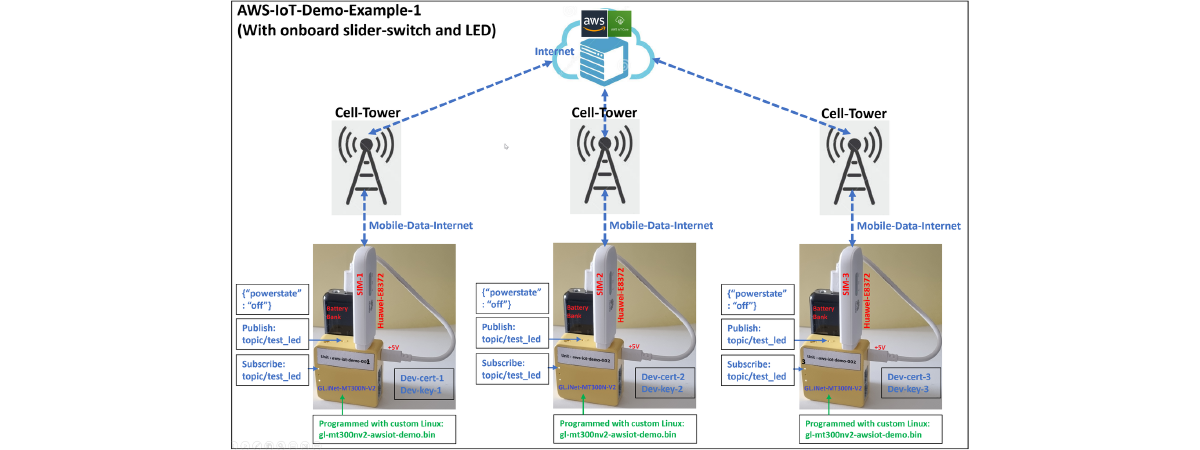
In this video, I introduce an engaging approach for exploring AWS-IoT connectivity and its real-world implications using affordable and readily available hardware components sourced from online stores. For this demonstration, I use an affordable (~$30) GL.iNet pocket router as an IoT End-Node.
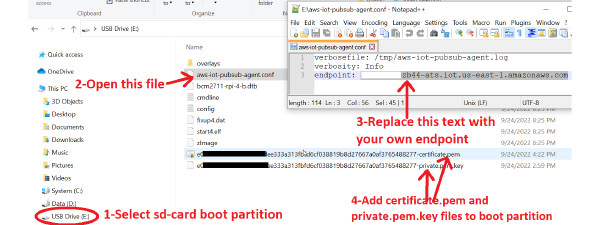
This router runs on a custom-built OpenWRT Linux image and hosts an AWS IoT device agent service based on the aws-iot-device-sdk-cpp-v2. The WebUI of this custom Linux image allows you to easily configure and provision AWS IoT-specific settings such as:
- Device certificates and private keys
- AWS IoT Endpoints
- Publish/subscribe topic trigger events
- Custom scripts to control hardware accessories (switches, relays, LEDs, sensors)